Understanding Stem Cell Therapy for Tinnitus
The Potential, Research, and Treatment Options at Poison Regenerative Stem Cell Clinic
An Emerging Research Area
Understanding Tinnitus and Regenerative Research
Tinnitus is the perception of ringing, buzzing, humming, clicking, hissing, or other sounds without an external sound source. It may occur in one or both ears and can range from a mild occasional sensation to a persistent problem that affects concentration, sleep, communication, and quality of life. Tinnitus can have many possible causes, including hearing loss, exposure to loud sounds, ear conditions, certain medications, and changes within the auditory nervous system.
Stem cell therapy has attracted scientific interest as a potential regenerative approach for conditions involving tissue injury and neurological dysfunction. Researchers are investigating whether stem cells could eventually help address some of the biological changes associated with hearing disorders and tinnitus.
However, stem cell therapy for tinnitus remains an emerging area of research and should not currently be described as a guaranteed cure. Human clinical evidence specifically for tinnitus is still limited.
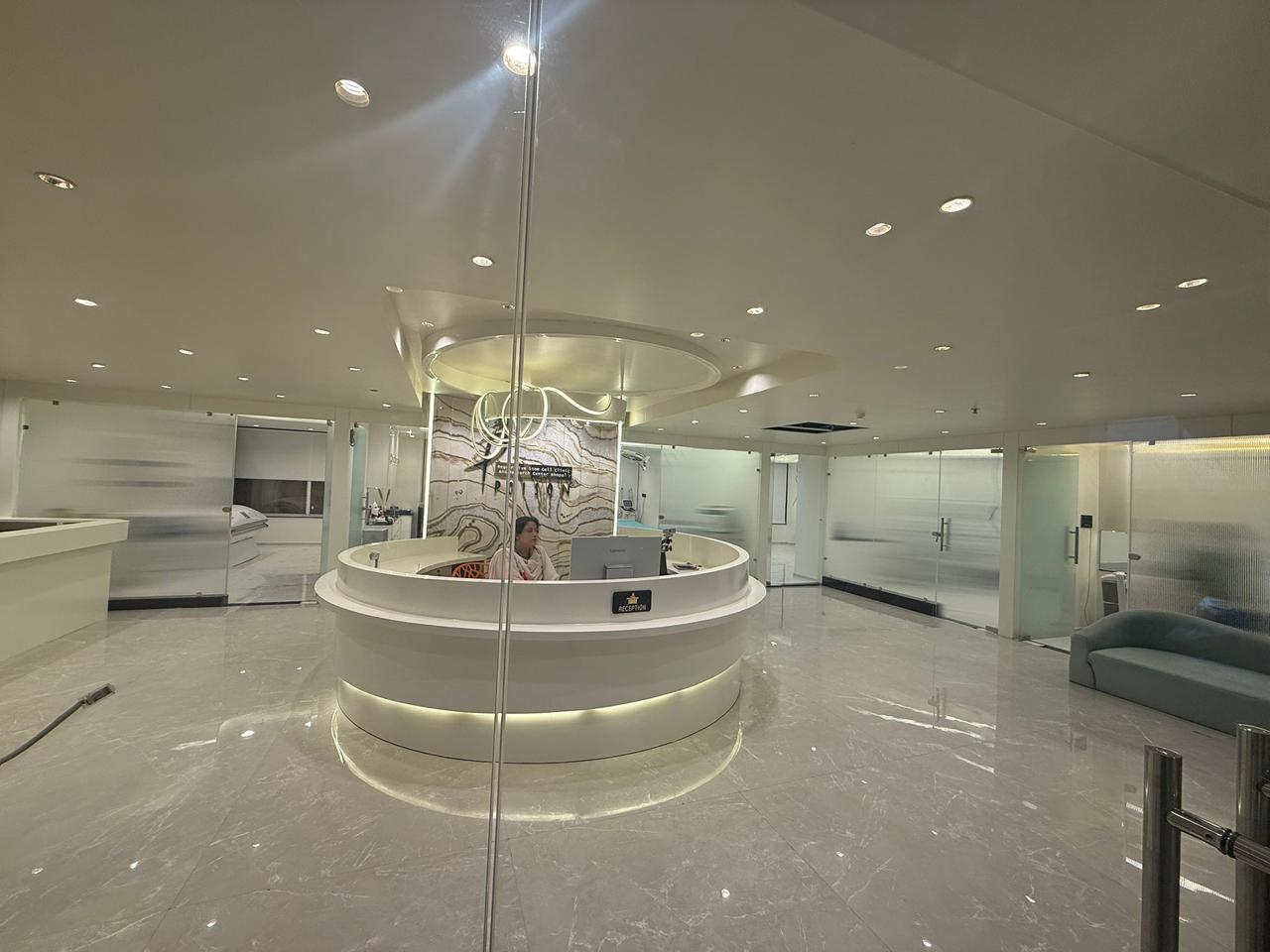
At Poison Regenerative Stem Cell Clinic & Research Center, Bhopal, regenerative medicine approaches may be discussed for appropriately selected patients following medical evaluation. Treatment decisions are individualized and are made under the clinical supervision of Dr. Abhinit Gupta.
What Is Tinnitus?
Tinnitus is a symptom rather than a single disease. A person may hear sounds even though there is no corresponding external sound. Tinnitus may be:
Some people experience tinnitus temporarily, while others have persistent symptoms. Tinnitus can also occur together with hearing difficulties, sound sensitivity, dizziness, or sleep and concentration problems.
Because tinnitus can have different causes, identifying potentially treatable underlying conditions is an important part of medical evaluation. Professional tinnitus guidance recommends appropriate history and examination, with hearing assessment in relevant patients, particularly when tinnitus is persistent, unilateral, or associated with hearing difficulties.
- Ringing
- Buzzing
- Humming
- Whistling
- Clicking
- Hissing
- Pulsing or whooshing
What Is Stem Cell Therapy?
Stem cells are cells with the ability to develop into specialized cell types or support biological processes through signaling mechanisms. Regenerative medicine research is investigating their potential applications in conditions involving tissue damage, inflammation, and impaired repair.
Depending on the cell type and treatment approach being studied, stem cells may potentially influence biological pathways through cell signaling, immune modulation, and support of tissue-repair processes.
However, these mechanisms do not automatically mean that a stem-cell treatment will restore damaged auditory structures or eliminate tinnitus. The effectiveness of stem-cell therapies can vary considerably between conditions, and many proposed applications remain under clinical investigation. Reviews of mesenchymal stromal/stem-cell therapies have found that safety results can be encouraging in clinical trials, while evidence of effectiveness remains inconsistent across many conditions.
Why Are Researchers Studying Stem Cells for Tinnitus?
The auditory system contains highly specialized structures, including sensory cells within the inner ear that are important for hearing. Damage to these structures can occur because of factors such as prolonged noise exposure, aging, certain diseases, or other injuries.
Researchers are investigating regenerative strategies because some forms of inner-ear damage have limited natural repair capacity.
Preclinical studies have explored stem-cell approaches for hearing-related damage. A recent systematic review of animal studies examining stem-cell injection following noise-induced auditory injury reported changes in auditory brainstem-response measures but also highlighted substantial variation between studies. Importantly, these findings come from animal research and cannot be taken as proof that stem-cell therapy treats tinnitus in humans.
Can Stem Cell Therapy Cure Tinnitus?
At present, it would not be medically responsible to promise that stem cell therapy can cure tinnitus. Tinnitus has multiple potential mechanisms, and the biological cause may differ from one person to another. Even when tinnitus is associated with hearing-system injury, treating the underlying injury does not necessarily mean that tinnitus will completely disappear.
Current research continues to investigate regenerative and neuromodulatory approaches, but established tinnitus management remains important. A 2026 umbrella review found more consistent evidence for approaches such as cognitive behavioral therapy, hearing aids when hearing loss is present, tinnitus retraining therapy, and sound or music-based therapies, while several other interventions showed mixed evidence.
Who May Need a Tinnitus Evaluation?
Before considering any regenerative treatment, patients should receive an appropriate evaluation. A clinician may review:
A hearing assessment may be particularly important when tinnitus is persistent, unilateral, or associated with hearing difficulty.
The purpose of evaluation is to identify potentially treatable causes and determine which management options are appropriate.
- Duration and severity of tinnitus
- Whether symptoms affect one or both ears
- Hearing ability
- Previous ear problems
- History of loud-noise exposure
- Current medications
- Dizziness or balance symptoms
- Other neurological or medical symptoms
- Previous tinnitus treatments
Possible research objectives include:
- Supporting cellular repair
- Modulating inflammatory pathways
- Studying tissue-regeneration mechanisms
- Investigating inner-ear damage
- Understanding auditory-system recovery
Potential Role of Regenerative Medicine
The potential role of regenerative medicine in tinnitus is primarily an area of ongoing research. Scientists are studying whether regenerative approaches could eventually influence damaged auditory structures or biological pathways associated with hearing dysfunction.
These are research objectives, not guaranteed clinical outcomes.
Patients should also understand that regenerative medicine is not a substitute for evaluation by an ENT or hearing specialist when such assessment is indicated.
Safety and Important Considerations
Stem-cell-based treatments are medical interventions and should only be considered following appropriate clinical assessment and professional supervision. Potential risks can vary depending on the source and type of cells, route of administration, preparation, and treatment setting. Patients should receive clear information about the proposed treatment, evidence supporting its use, possible risks, alternatives, and the expected level of uncertainty.
Patients should be particularly cautious about claims that a stem-cell treatment can permanently cure tinnitus, restore hearing in every patient, or guarantee regeneration.
Stem Cell Therapy for Tinnitus at Bhopal
At Poison Regenerative Stem Cell Clinic & Research Center, Bhopal, patients with tinnitus can discuss their condition and regenerative medicine options following an individualized medical assessment.
Where a regenerative approach is considered appropriate, treatment planning is performed according to the patient's clinical history, symptoms, diagnostic findings, previous treatments, and treatment goals. Dr. Abhinit Gupta provides clinical supervision and guidance for appropriate patients.
Regenerative Stem Cells Clinic and Research Center Pvt. Ltd.
Beside Hotel Pride, Priyanka Nagar, Kolar Rd, Bhopal, Madhya Pradesh 462046
Phone: +91 7389027999
Email: consult@poisonstemcellclinic.com
Website: poisonstemcellclinic.com
Dr. Abhinit Gupta
Regenerative Medicine Specialist
Regenerative medicine options may be discussed at Poison Regenerative Stem Cell Clinic & Research Center, Bhopal, following appropriate medical evaluation and under the supervision of Dr. Abhinit Gupta.
Frequently Asked Questions
What is tinnitus?
Tinnitus is the perception of sound, such as ringing or buzzing, without an external sound source.
Can stem cell therapy cure tinnitus?
There is currently insufficient human clinical evidence to describe stem cell therapy as a proven cure for tinnitus. Research is ongoing.
Why are stem cells being studied for tinnitus?
Researchers are investigating whether regenerative approaches could potentially influence cellular repair and biological pathways associated with hearing-system injury.
Is stem cell therapy suitable for every tinnitus patient?
No. Tinnitus has many possible causes, and treatment suitability depends on the individual's diagnosis, medical history, hearing status, and other clinical factors.
Should tinnitus patients have a hearing evaluation?
A hearing evaluation can be important, particularly for persistent or unilateral tinnitus or tinnitus associated with hearing difficulties.
Is Stem Cell Therapy for Tinnitus available in Bhopal?
Regenerative medicine options may be discussed at Poison Regenerative Stem Cell Clinic & Research Center, Bhopal, following appropriate medical evaluation and under the supervision of Dr. Abhinit Gupta.
Informed & Responsible Care
Stem cell therapy for tinnitus is an emerging area of regenerative medicine research. Scientists are investigating whether cellular and regenerative approaches could eventually help address some forms of auditory-system injury. However, current evidence is not sufficient to describe stem cell therapy as a universally effective or guaranteed cure for tinnitus.
A comprehensive evaluation remains important because tinnitus can have multiple causes. Depending on the individual patient, management may involve hearing assessment, treatment of an underlying condition, hearing devices when appropriate, behavioral approaches, sound-based strategies, or other evidence-supported interventions.
Patients considering regenerative medicine should discuss the potential benefits, limitations, risks, alternatives, and current level of scientific evidence with a qualified healthcare professional.
Medical Disclaimer: This article is for general educational purposes only and does not replace professional medical consultation, diagnosis, or an individualized treatment plan. Stem cell therapy for tinnitus remains an emerging area of research, and treatment suitability and availability should be determined by qualified healthcare professionals.
Have Questions About Tinnitus Treatment?
If you are experiencing tinnitus, a professional consultation can help determine the underlying cause and appropriate management options.