Longevity Assessment: Understanding Your Health, Aging and Biological Age
Personalized Health and Healthy-Aging Evaluation at Poison Regenerative Stem Cell Clinic
Beyond Chronological Age
Understanding Longevity Assessment
Aging is a natural process, but people of the same chronological age can have very different levels of health, fitness, resilience, and risk for age-related conditions. Two people who are the same age may differ considerably in metabolic health, cardiovascular risk, muscle strength, lifestyle habits, and overall physical function.
Longevity Assessment is an emerging approach that aims to provide a broader understanding of an individual's health and aging status. Instead of looking only at chronological age, it considers multiple health-related factors that may influence healthspan—the years of life spent in good health, functional ability, and independence.
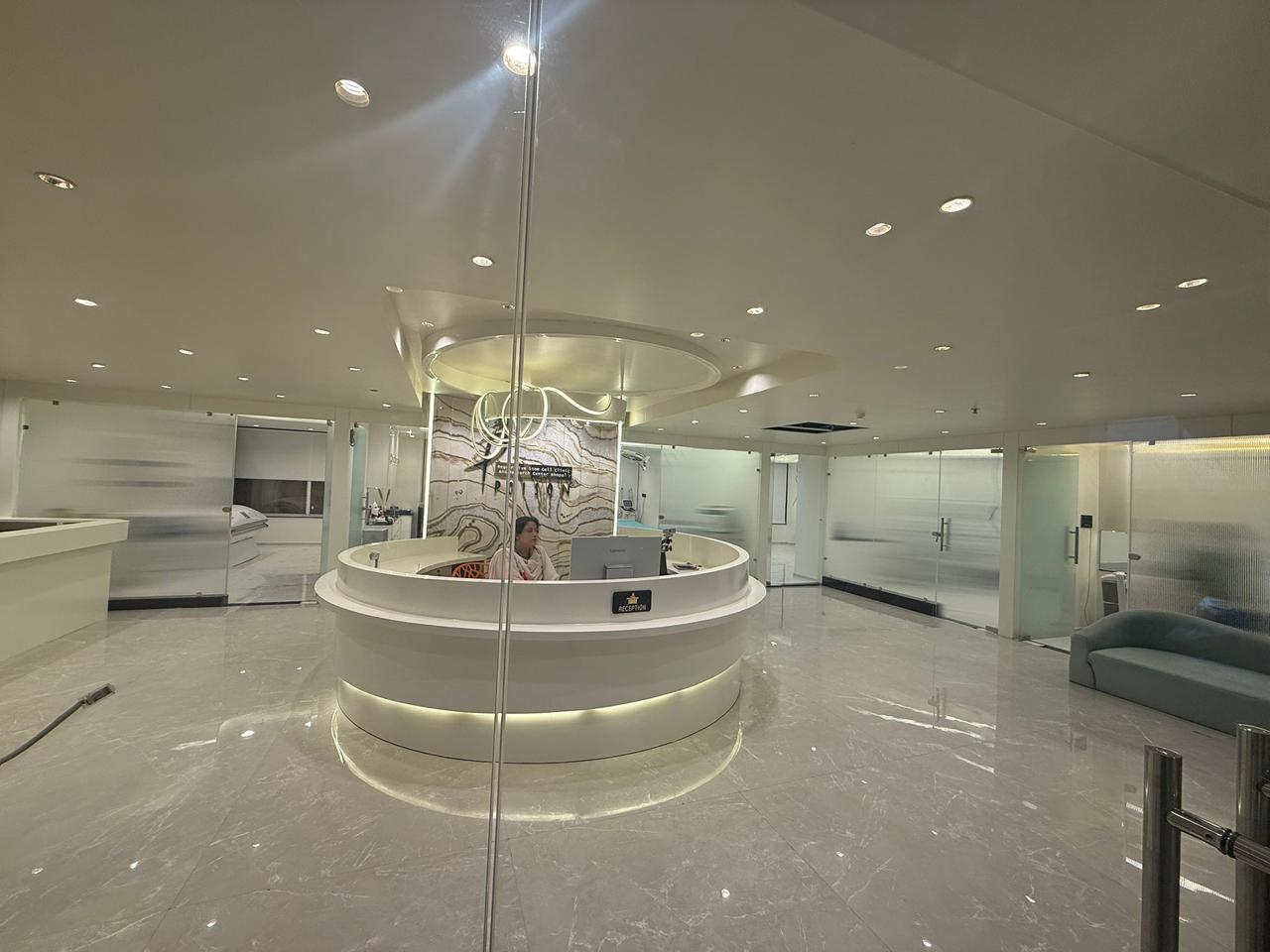
At Poison Regenerative Stem Cell Clinic and Research Center, Bhopal, longevity-focused assessment can be discussed as part of a personalized healthcare approach under the guidance of Dr. Abhinit Gupta.
What Is a Longevity Assessment?
A Longevity Assessment is a structured evaluation designed to understand factors associated with healthy aging and long-term health.
Chronological age tells us how many years a person has lived, but it does not fully describe the condition of the body. Researchers therefore use the concept of biological age to describe aspects of physiological and molecular aging.
Modern research has explored different biological-age methods using combinations of biomarkers, physiological measurements, and mathematical models. However, there is currently no universally accepted gold-standard method for measuring biological age.
A responsible Longevity Assessment should therefore be viewed as a broader health evaluation rather than a single number that definitively predicts how long someone will live.
Why Is Longevity Assessment Important?
Health risks can change over time, and early identification of modifiable factors may help support preventive healthcare.
A comprehensive assessment may help identify areas such as:
The objective is to create a clearer picture of current health and identify areas that may deserve medical attention or lifestyle improvement.
- Metabolic health
- Cardiovascular risk factors
- Body composition and physical function
- Nutrition and lifestyle patterns
- Sleep and recovery
- Muscle strength and mobility
- General health indicators
- Age-related changes
- Personal and family medical history
Chronological Age vs. Biological Age
Chronological age is calculated from a person's date of birth. It is objective and easy to measure.
Biological age is a research concept intended to reflect aspects of physiological aging. It may incorporate laboratory biomarkers, physical measurements, functional characteristics, or molecular information.
Research has shown that people of the same chronological age can have substantially different biological and functional characteristics. At the same time, biological-age measurements are not interchangeable, and different methods can produce different results.
Therefore, a biological-age result should be interpreted within the broader medical context rather than treated as a definitive diagnosis.
What Can Be Included in a Longevity Assessment?
The exact components depend on the individual's age, health status, medical history, and clinical goals.
1. Medical History
A healthcare professional may review personal and family medical history, previous illnesses, medications, lifestyle factors, and existing health concerns. This information provides important context for interpreting other health measurements.
2. Physical and Functional Health
Physical function is an important part of healthy aging. Assessment may consider mobility, strength, activity level, balance, body composition, and general physical performance when clinically appropriate. Research on aging biomarkers emphasizes that measures related to function, resilience, and frailty can provide meaningful information about health outcomes.
3. Metabolic and Cardiovascular Health
Depending on the individual's medical requirements, appropriate health evaluations may examine factors associated with metabolic and cardiovascular health. These assessments can help identify areas requiring preventive management or further medical evaluation.
5. Biological-Age and Biomarker Assessment
Some longevity programs use biological-age calculations based on laboratory or molecular biomarkers. Researchers have studied approaches involving clinical chemistry, epigenetic markers, metabolomics, proteomics, transcriptomics, microbiome data, and other measurements. AI-based aging clocks are also being investigated.
However, many of these technologies remain under active research, and their clinical usefulness can vary. A 2025 systematic review found considerable variation among biological-age assessment methods and concluded that more research is needed before establishing a universal standard.
4. Lifestyle Assessment
Daily habits can significantly influence long-term health. A longevity-focused consultation may review:
The goal is not to follow a universal "anti-aging" formula but to identify practical, individualized areas for improvement.
- Nutrition
- Physical activity
- Sleep
- Stress management
- Smoking or tobacco exposure
- Alcohol use
- Sedentary behavior
- Recovery and general wellness habits
How Does a Longevity Assessment Help?
The primary value of a Longevity Assessment is not simply obtaining a biological-age number. Instead, it can provide a structured way to understand current health and identify potentially modifiable risk factors.
Depending on the findings, a healthcare professional may recommend appropriate preventive care, lifestyle changes, monitoring, or further evaluation.
For example, an assessment may highlight the importance of improving physical activity, nutrition, sleep, metabolic health, or cardiovascular risk management.
Longevity Assessment should therefore complement routine medical care rather than replace regular health check-ups or recommended screening.
Who May Consider a Longevity Assessment?
Adults interested in proactive health management may consider discussing a longevity-focused assessment with a qualified healthcare professional.
It may be particularly relevant for people who want to:
The appropriate assessment depends on the individual's medical history and health goals.
- Understand their current health status
- Monitor age-related health changes
- Identify modifiable lifestyle factors
- Establish a baseline for future health monitoring
- Develop a personalized healthy-aging strategy
- Better understand their physical and metabolic health
Longevity Assessment in Bhopal
At Poison Regenerative Stem Cell Clinic and Research Center, Bhopal, longevity-focused healthcare is approached with an emphasis on individualized assessment and medical guidance.
Patients can consult Dr. Abhinit Gupta to discuss their health concerns, aging-related goals, medical history, lifestyle, and appropriate assessment options. Rather than relying on a single test or biological-age score, a personalized approach can consider multiple aspects of health to develop a more meaningful understanding of the individual's overall condition. The clinic's approach is designed around personalized healthcare and appropriate regenerative and longevity-focused services based on individual requirements.
Poison Regenerative Stem Cell Clinic and Research Center
Regenerative Stem Cells Clinic and Research Center Pvt. Ltd.
Beside Hotel Pride, Priyanka Nagar, Kolar Road, Bhopal, Madhya Pradesh 462046
Phone: +91 7389027999
Email: consult@poisonstemcellclinic.com
Website: poisonstemcellclinic.com
Dr. Abhinit Gupta
Regenerative Medicine Specialist
At Poison Regenerative Stem Cell Clinic and Research Center in Bhopal, patients can consult Dr. Abhinit Gupta for an individualized approach to longevity and healthy-aging assessment.
Can a Longevity Assessment Predict How Long You Will Live?
No. A Longevity Assessment or biological-age test cannot reliably predict an individual's exact lifespan.
Biological-age measures can provide useful research and potentially clinical information about aspects of aging, but they have limitations. Current research continues to evaluate how accurately these measurements predict future disease, functional decline, and other health outcomes.
For this reason, longevity assessment should be viewed as a tool for understanding health and supporting preventive decision-making—not as a prediction of a person's future lifespan.
Frequently Asked Questions
What is a Longevity Assessment?
A Longevity Assessment is a personalized evaluation of health factors associated with healthy aging, healthspan, and age-related risk.
What is biological age?
Biological age is a research concept that attempts to describe aspects of physiological or molecular aging beyond chronological age.
Is biological age the same as chronological age?
No. Chronological age is based on date of birth, while biological-age measurements attempt to assess aspects of physiological aging.
Can a Longevity Assessment prevent aging?
No. Aging is a natural biological process. A Longevity Assessment is intended to help understand health and identify potentially modifiable factors; it cannot stop aging.
Where can I get a Longevity Assessment in Bhopal?
Individuals can consult Dr. Abhinit Gupta at Poison Regenerative Stem Cell Clinic and Research Center, Bhopal, to discuss their health status and appropriate longevity-focused assessment options.
Informed & Personalized Care
Longevity Assessment represents an evolving area of preventive and personalized healthcare. By considering medical history, physical function, lifestyle, metabolic health, biomarkers, and selected biological-age measures, healthcare professionals can develop a broader picture of an individual's health and aging status.
Importantly, biological-age science is still developing, and there is currently no single test that can completely measure how a person is aging or accurately predict lifespan.
At Poison Regenerative Stem Cell Clinic and Research Center in Bhopal, patients can consult Dr. Abhinit Gupta for an individualized approach to longevity and healthy-aging assessment.
Medical Disclaimer: This article is intended for general educational purposes and does not replace professional medical diagnosis or individualized medical advice. Biological-age and longevity assessments have limitations, and results should be interpreted by a qualified healthcare professional in the context of the individual's overall health.
Considering a Longevity Assessment?
If you want to better understand your current health status and aging-related risk factors, a professional consultation can help determine the appropriate assessment options.