Understanding High-Dose Vitamin C IV Therapy
Benefits, Uses, Safety, and What Patients Should Know at Poison Regenerative Stem Cell Clinic
Direct Antioxidant Delivery
What Is High-Dose Vitamin C IV Therapy?
Vitamin C is an essential nutrient that supports immune function, collagen formation, wound healing, and antioxidant protection. While vitamin C is commonly taken through food and oral supplements, intravenous (IV) vitamin C delivers the nutrient directly into the bloodstream and can produce higher blood concentrations than oral administration. High-dose IV vitamin C is therefore being studied and used in selected clinical settings as a supportive therapy, depending on a patient's health status and medical needs.
High-dose Vitamin C IV Therapy is a medically supervised treatment in which vitamin C is administered intravenously. Because it bypasses the digestive system, IV administration can achieve blood levels that are not usually possible with standard oral intake. The treatment is considered a supportive or complementary approach in appropriate patients and should be planned only after a medical assessment.
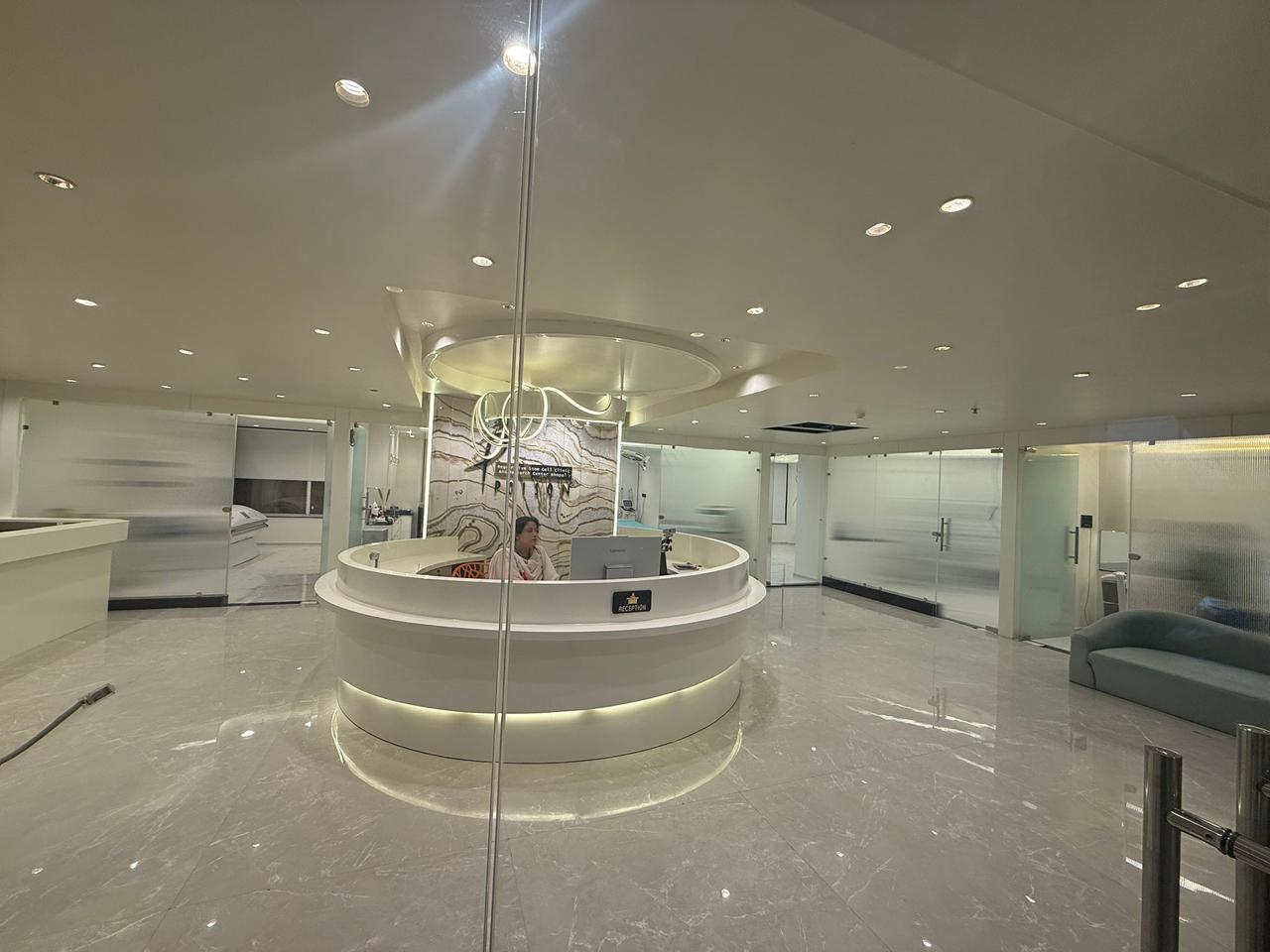
At Poison Regenerative Stem Cell Clinic & Research Center, Bhopal, IV therapies are approached with a focus on patient assessment, medical supervision, and individualized care, under the guidance of Dr. Abhinit Gupta.
How Does IV Vitamin C Work?
Vitamin C functions as an antioxidant and is involved in several biological processes, including collagen synthesis and normal immune-system activity. Research into intravenous vitamin C has explored its effects on oxidative processes, cellular metabolism, and the tumor microenvironment. However, research findings vary by condition, and IV vitamin C should not be presented as a replacement for established medical treatment.
Potential Benefits and Clinical Uses
Depending on the patient and the reason for treatment, medically supervised IV vitamin C may be considered for nutritional support, correction of vitamin C deficiency when oral intake is unsuitable, and supportive care in selected medical conditions. Researchers have also investigated high-dose IV vitamin C alongside conventional cancer treatment. The evidence is still developing, and its role differs between diseases and individual patients.
1. Nutritional and Antioxidant Support
Vitamin C contributes to antioxidant defense and normal cellular functions. IV delivery may be considered when a clinician believes higher circulating concentrations or an alternative to oral supplementation may be appropriate.
2. Collagen and Tissue Support
Vitamin C is required for collagen production, which is important for skin, connective tissue, blood vessels, and wound healing. Maintaining adequate vitamin C status supports these normal physiological processes.
3. Supportive Cancer Care Research
High-dose IV vitamin C has been investigated as a complementary therapy in oncology. Some studies have explored whether it may support quality of life or work alongside conventional treatments. It is important to understand that it is not a proven standalone cure for cancer and should never replace oncology-directed treatment.
Who May Be Considered for IV Vitamin C?
Suitability depends on medical history, current medications, kidney function, nutritional status, and the underlying reason for treatment. A clinician may review relevant medical information and laboratory results before deciding whether IV vitamin C is appropriate.
Children and teenagers should receive medical care appropriate to their age and should not undergo high-dose IV therapies without specialist medical supervision.
Safety and Important Considerations
Although vitamin C is a familiar nutrient, high-dose intravenous administration is not risk-free. Potential concerns can include infusion-related reactions, fluid or electrolyte issues, and complications in people with certain kidney conditions. People with glucose-6-phosphate dehydrogenase (G6PD) deficiency may be at risk of serious complications with high-dose IV vitamin C. Vitamin C can also interfere with some laboratory tests.
For these reasons, treatment should be provided only after appropriate medical evaluation and monitoring.
High-Dose Vitamin C IV Therapy at Bhopal
At Poison Regenerative Stem Cell Clinic & Research Center, Bhopal, IV therapies are approached with a focus on patient assessment, medical supervision, and individualized care. High-Dose Vitamin C IV Therapy may be considered when clinically appropriate after reviewing the patient's medical history and relevant health factors. Treatment is provided under the guidance of Dr. Abhinit Gupta, with the aim of maintaining a medically responsible and personalized approach.
The clinic is located beside Hotel Pride, Priyanka Nagar, Kolar Road, Bhopal, Madhya Pradesh 462046. Patients should discuss their medical history, existing conditions, and current medications with the clinical team before considering IV therapy.
Dr. Abhinit Gupta
Regenerative Medicine Specialist
Patients can consult Poison Regenerative Stem Cell Clinic & Research Center, Bhopal, where IV therapies are provided under medical supervision and individualized assessment.
Frequently Asked Questions
What is High-Dose Vitamin C IV Therapy?
It is a medically supervised intravenous treatment that delivers vitamin C directly into the bloodstream, allowing higher circulating concentrations than oral vitamin C can typically achieve.
Is IV vitamin C better than oral vitamin C?
They are different delivery methods. IV administration can produce higher blood concentrations, but that does not automatically mean it is better for every person or condition.
Can high-dose IV vitamin C cure cancer?
No. It should not be described as a standalone cancer cure. It has been studied as a complementary or supportive approach alongside conventional cancer care.
Is High-Dose Vitamin C IV Therapy safe for everyone?
No. Certain medical conditions, including G6PD deficiency and some kidney problems, may make high-dose IV vitamin C inappropriate or require special precautions.
Who should evaluate whether I can receive IV vitamin C?
A qualified healthcare professional should review your medical history, medications, relevant health conditions, and any necessary laboratory information before treatment.
Is High-Dose Vitamin C IV Therapy available in Bhopal?
Patients can consult Poison Regenerative Stem Cell Clinic & Research Center, Bhopal, where IV therapies are provided under medical supervision and individualized assessment.
Informed & Responsible Care
High-Dose Vitamin C IV Therapy is an emerging supportive treatment approach that delivers vitamin C directly into the bloodstream. Its potential applications include nutritional support and selected areas of clinical research, including supportive cancer care. However, evidence varies by condition, and the therapy is not a substitute for standard medical treatment.
Appropriate patient selection, medical assessment, and professional supervision are essential for safe use.
Considering High-Dose Vitamin C IV Therapy?
If you are considering High-Dose Vitamin C IV Therapy, a professional consultation can help determine whether intravenous vitamin C is appropriate for your health requirements.